

Sikkim University scholar presents on Kalimpong’s Tibetan-style church at the Eighth Young Indian Scholars Conference
Dharamshala, October 12: For young researchers from Darjeeling, Kalimpong, Sikkim and the wider Himalayan region, the Young Indian Scholars Conference offers a chance to share research on Tibetan history, religion, language and cultural heritage. It is organised by the Tibet Policy Institute (TPI), a research centre and think tank under the Central Tibetan Administration.
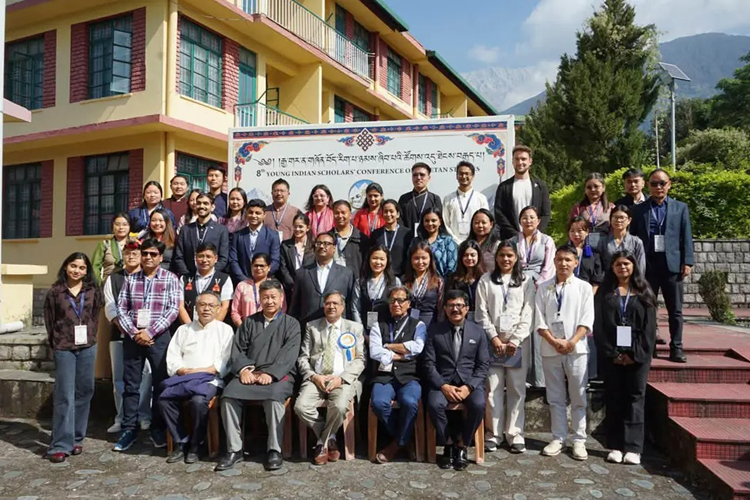
Tenzin Nyima Bhutia, a Research Scholar in the Department of English at Sikkim University and Guest Faculty at ICFAI University, took part in the Eighth Conference, held in Dharamshala from October 8 to 10, 2026. Her paper, “Turning the Wheel, Bearing the Cross: Kalimpong’s Mary Mother of God Church and the Cultural Resonance of Its Tibetan Architecture,” was selected for presentation.
The paper examined the church’s history, visual art and Tibetan architectural features. It showed how cultural forms can be preserved, relocated and reinterpreted in a different religious setting. A key focus was the paintings of the late Michael Shen, which depict Christian figures through Tibetan dress, food and everyday life.
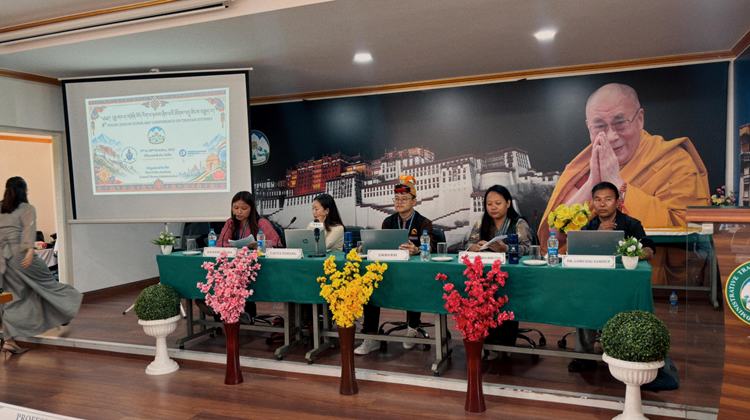
Scholars, fellow presenters and organisers responded warmly, and some said they would like to visit the church in Kalimpong.
The programme also gave participants access to institutions in Dharamshala, including the Library of Tibetan Works and Archives and the Dalai Lama Library and Archives. An excursion arranged by TPI took delegates to the Tibetan Parliament-in-Exile of the Central Tibetan Administration (CTA), alongside visits to other sites linked to Tibetan history and culture.
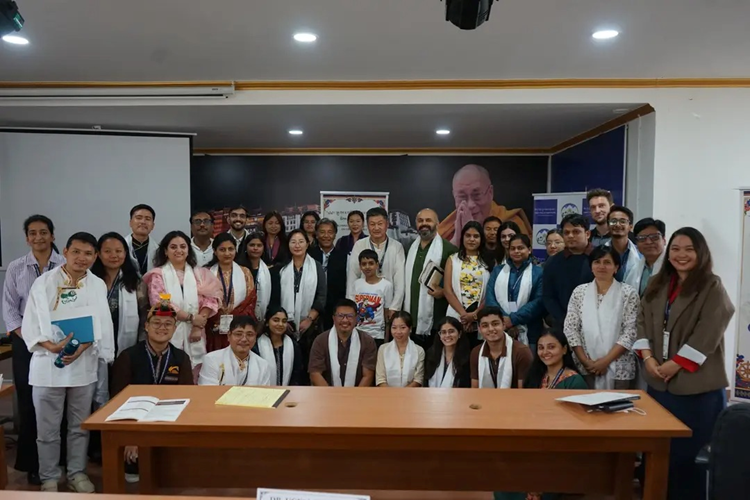
Participants were hosted with warm hospitality. Food, lodging, programme activities and travel were all provided free of cost, so delegates had nothing to pay. Their stay came with views of the serene Dhauladar range, and nearby rivers made for peaceful morning walks. On White Wednesday (Lhakar), a group dinner was followed by Gorshey, the traditional Tibetan circle dance, which gave delegates a chance to experience living cultural practice alongside the academic sessions. The only thing organisers asked in return was respectful attendance throughout the conference.
Bhutia’s presentation builds on her earlier study of the same church, published in September 2026 in HIMALAYA: The Journal of the Association for Nepal and Himalayan Studies. Together, the two works explore the relationship between Christian practice and Tibetan cultural expression in Kalimpong.
An invitation to aspiring researchers
Bhutia hopes more young researchers from the hills will take part in future editions. “The Himalayan region has a rich range of histories, languages, religious traditions, oral narratives and cultural practices that deserve sustained academic attention,” she said, urging young scholars to share their work and engage with supporting institutions.
She also stressed academic integrity, curiosity and respect for the communities being studied.
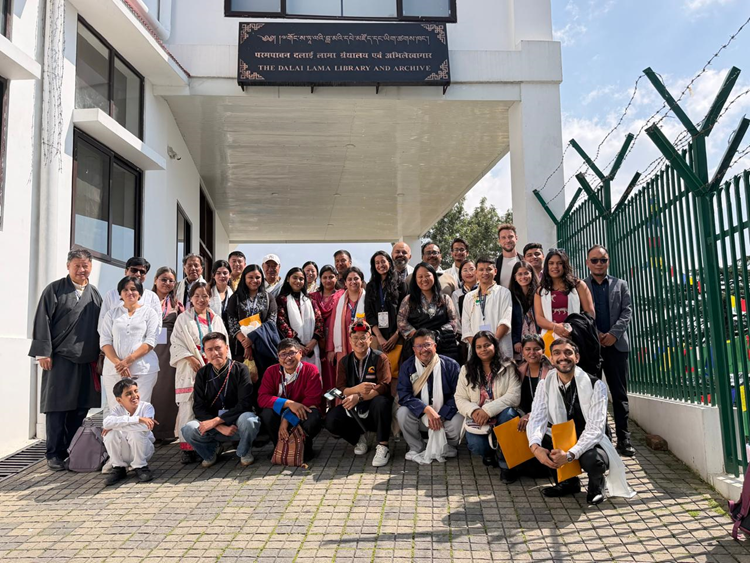
She also had a message for those who will attend in the years ahead. “I sincerely hope that upcoming scholars understand the value of an opportunity like this and make the conference their first priority, treating the excursions and sightseeing in Dharamshala as secondary,” she said.
Prospective applicants should watch for TPI announcements on themes, deadlines, eligibility and procedures, which may change from year to year.
Bhutia, who has now attended the conference three times, says the experience has grown from that of a participant to something closer to belonging to the organising family. “I feel like I’m on the other side now,” she said, wishing the Tibet Policy Institute and its team the very best for the editions to come.
About the researcher: Bhutia’s research interests include sacred narratives, folk beliefs, religious traditions and cultural expressions in the Himalayan region.
